
AquaZen
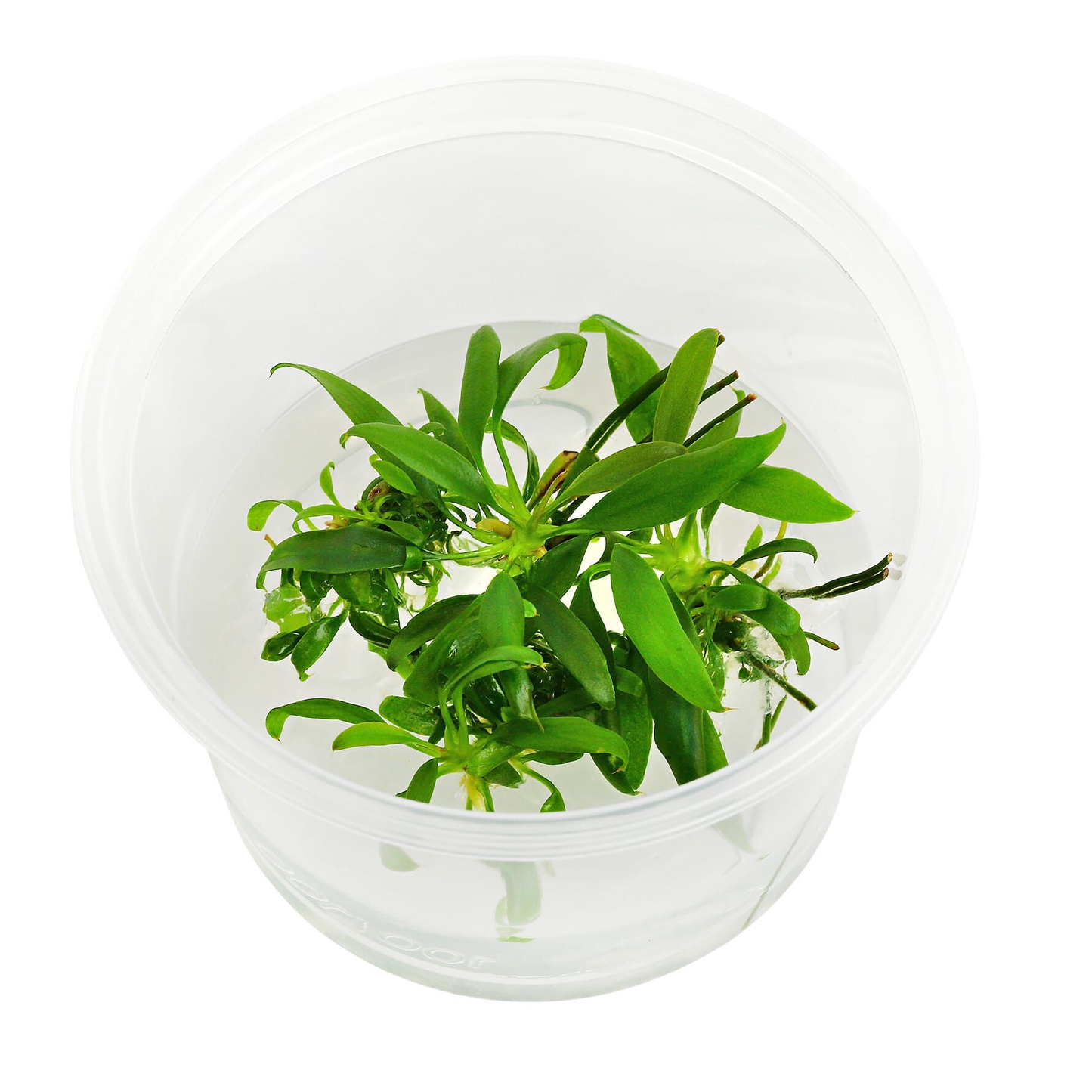
Anubias barteri var. Glabra Dragon Claw TC (small)
Anubias barteri var. Glabra Dragon Claw TC (small)
Couldn't load pickup availability
Anubias barteri var. glabra (Dragon Claw) Care Guide
Common Name: Anubias Dragon Claw
Difficulty Level: Easy
Family: Araceae
General Description:
Anubias barteri var. glabra, commonly known as Dragon Claw, is a distinctive Anubias variety recognized for its elongated, narrow leaves with slightly twisted or claw-like tips. Its deep green coloration, leathery leaf texture, and elegant form make it a striking addition to planted aquariums. Like other Anubias species, it is extremely hardy and slow-growing, making it well suited for low-tech aquariums and long-term aquascapes.
Care Requirements:
1. Tank Size:
Minimum Tank Size: 5 gallons (20 liters)
2. Lighting Requirements:
Lighting: Low to Moderate
Low light encourages steady growth and helps prevent algae buildup on the leaves. Moderate light enhances leaf shape without compromising health.
3. CO₂ Requirements:
CO₂: Not required
CO₂ supplementation is optional and may slightly increase growth rate but is not necessary.
4. Water Parameters:
Temperature: 22–28°C (72–82°F)
pH: 6.0–7.5
Hardness: Soft to moderately hard
5. Substrate:
Substrate Type: Not required
The rhizome must remain above the substrate. Best attached to driftwood, rocks, or hardscape elements.
6. Fertilization:
Nutrients: Low
Light liquid fertilization is sufficient. Avoid excess nutrients, which may encourage algae growth on the leaves.
7. Maintenance:
Growth Rate: Slow
Very low maintenance. Remove algae manually if needed and trim damaged or older leaves occasionally.
8. Propagation:
Propagation Method: Rhizome division
Divide the rhizome into sections, ensuring each section has several healthy leaves.
9. Placement in Tank:
Placement: Midground
Ideal for accenting hardscape and adding unique leaf shapes and texture to aquascapes.
Summary:
Anubias barteri var. glabra (Dragon Claw) is a resilient and visually unique plant that combines exotic leaf form with minimal care requirements. Its slow growth, durability, and adaptability make it an excellent choice for beginners and advanced aquascapers alike, especially in low-light or low-tech aquariums.